
Theoretical Institute
for Advanced Mathematics
and Science
Where Big Questions Become New Possibilities.
At the LSU Theoretical Institute for Advanced Mathematics and Science, curiosity has no boundaries. We bring together bold thinkers from across mathematics and the sciences to explore fundamental questions, challenge established ideas, and uncover connections that can transform how we understand the world. Through collaboration, discovery, and imagination, abstract theories become the foundation for breakthroughs that reach far beyond the expected.
Current & Upcoming
TIAMS programs bring together experts in mathematics, physics, and related fields to explore complex scientific questions through research, training, and collaboration. Activities include workshops, seminars, visiting scholars, interdisciplinary initiatives, and extended academic-year programs designed to spark new ideas and advance discovery.

Visit Us
See something you like? Of course you do.
TIAMS welcomes faculty, researchers, visiting scholars, and collaborators to LSU. Whether you are joining us for a seminar, workshop, extended research stay, or sabbatical visit, we can help you plan your time in Baton Rouge.
Research & Ideas
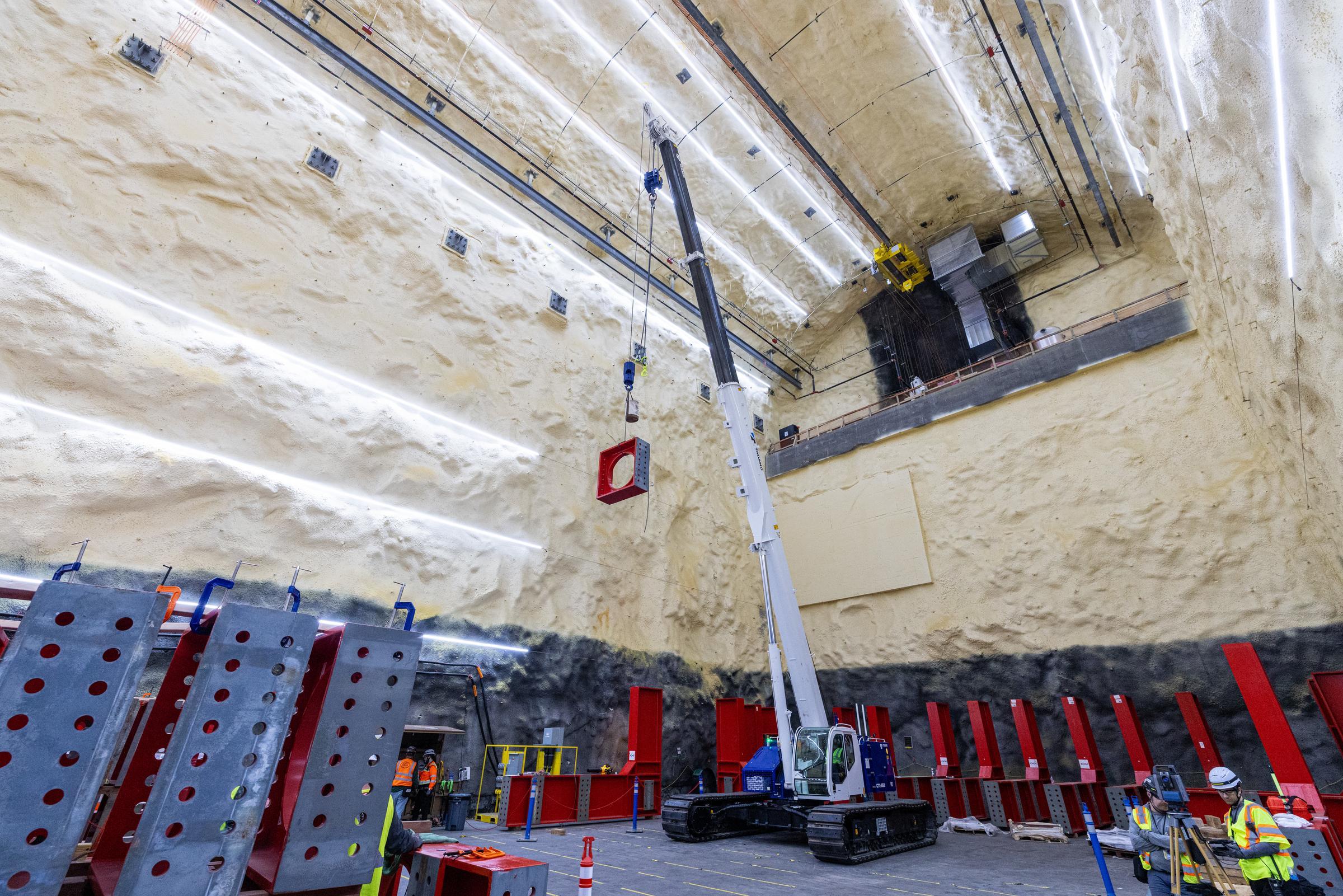
LSU physicists are helping build the Deep Underground Neutrino Experiment (DUNE), a major international experiment designed to investigate the fundamental properties of neutrinos and why the universe contains more matter than antimatter. LSU Professor Thomas Kutter, who helped lead early ProtoDUNE efforts at CERN, and other LSU researchers are developing and testing detector components, electronics, and software for the experiment. With construction of massive underground detector structures underway in South Dakota, DUNE is moving closer to exploring some of physics' biggest unanswered questions.
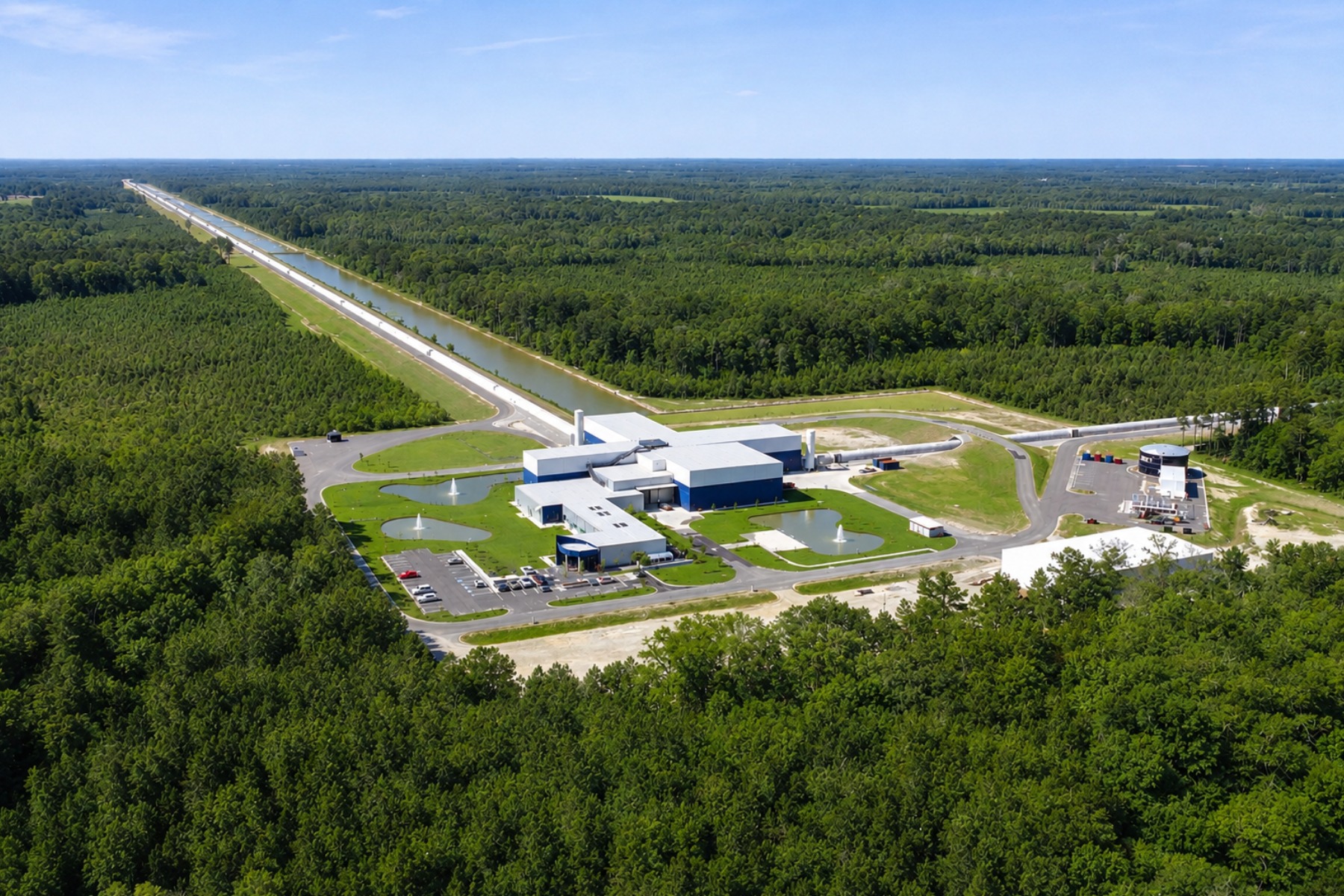
Led by LSU Boyd Professor Gabriela González, a new $4 million, two-year National Science Foundation grant will support the computing infrastructure behind the Laser Interferometer Gravitational-Wave Observatory (LIGO). The collaborative project will improve data analysis, accelerate alerts to astronomers, and maintain the reliable computing systems essential to detecting gravitational waves from colliding black holes, neutron stars, and other cosmic events.
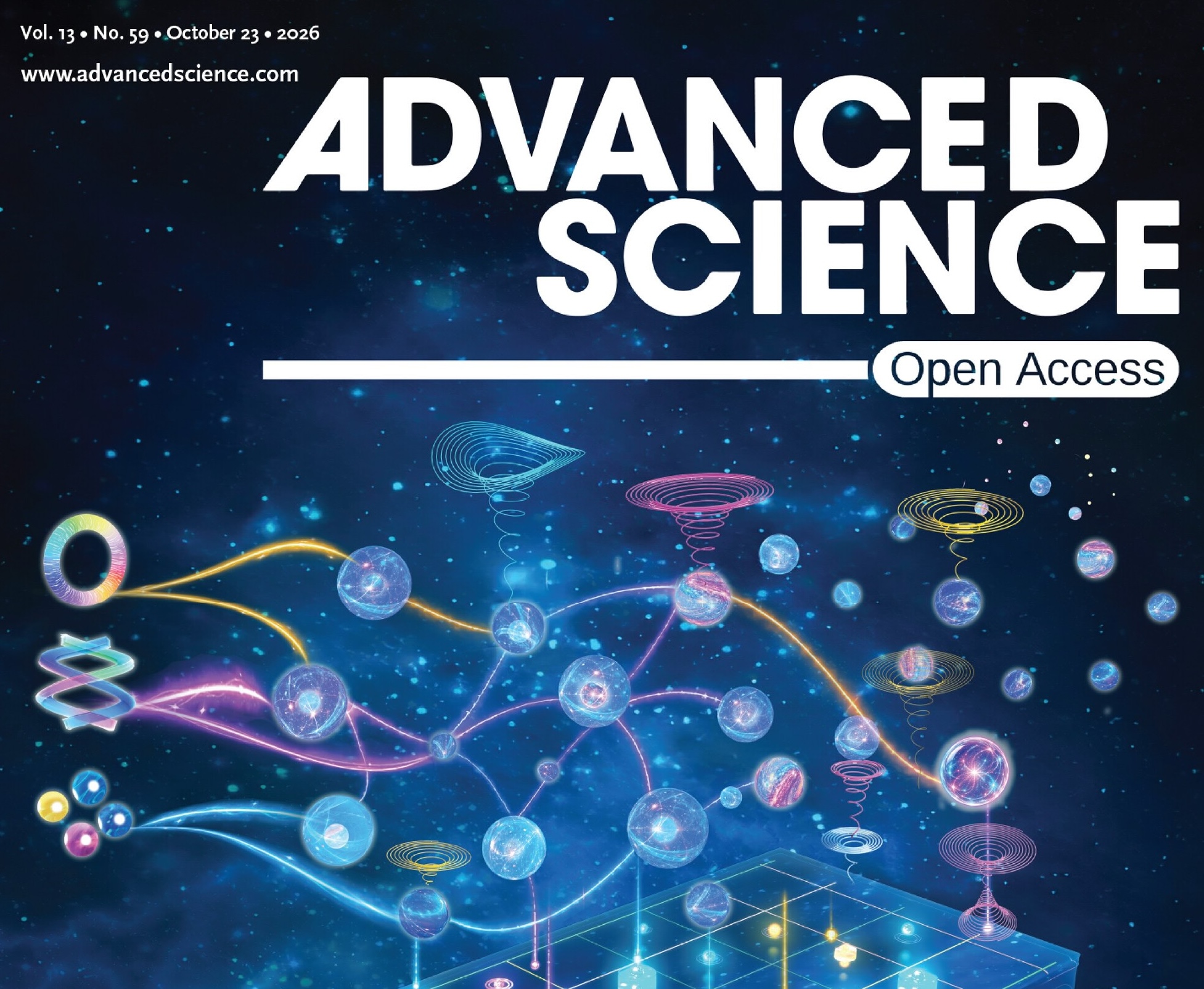
LSU physicists developed a room-temperature multiphoton quantum reservoir that uses classical light and photon-counting measurements to process information, simulate complex quantum dynamics, and learn mathematical functions while remaining robust to noise and loss.