
Physics & Astronomy
Leading Discoveries Across Space, Time, and Matter
We explore the cosmos at every scale—from the smallest particles to the farthest galaxies—and turn curiosity into discovery. In our classrooms, laboratories, and observatories, ideas move freely across physics, astronomy, and applied science. Whatever sparks your curiosity, you’ll find the tools to explore it here at LSU.
50+
Faculty Members
130
Graduate Students
$10M+
Annual Grants and Contracts
From the Smallest Scales to the Largest Structures
Research that spans the Universe
At LSU, physicists explore the laws of nature across an extraordinary range of scales, from quantum matter and subatomic particles to stars, galaxies, and the cosmos itself.
Our faculty and students work across condensed matter and quantum materials, nuclear and high-energy physics, astrophysics and cosmology, medical physics, and computational science. Together, we pursue fundamental questions, develop new tools and technologies, and prepare the next generation of scientists.
IN THE NEWS
Research Highlights
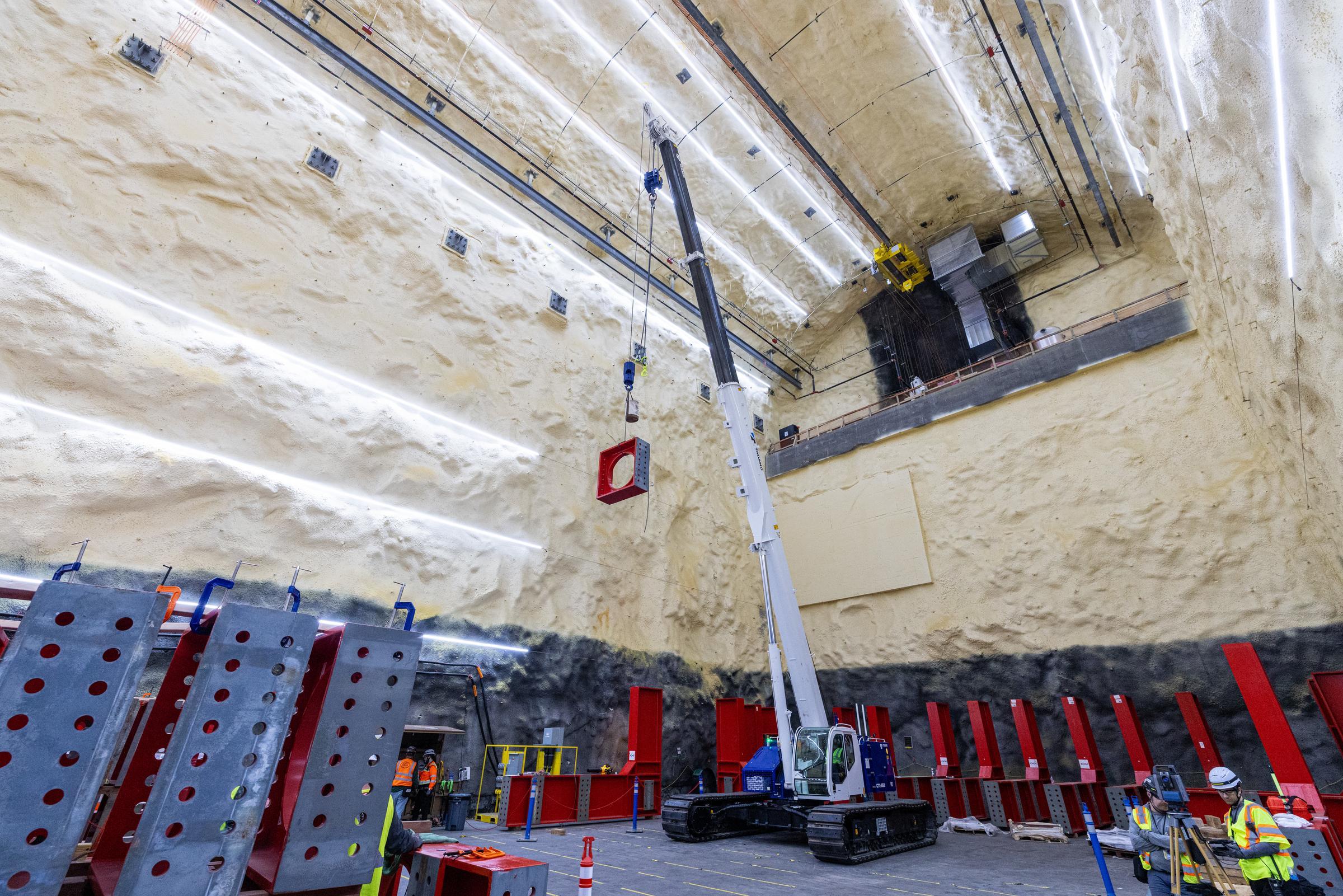
LSU physicists are helping build the Deep Underground Neutrino Experiment (DUNE), a major international experiment designed to investigate the fundamental properties of neutrinos and why the universe contains more matter than antimatter. LSU Professor Thomas Kutter, who helped lead early ProtoDUNE efforts at CERN, and other LSU researchers are developing and testing detector components, electronics, and software for the experiment. With construction of massive underground detector structures underway in South Dakota, DUNE is moving closer to exploring some of physics' biggest unanswered questions.
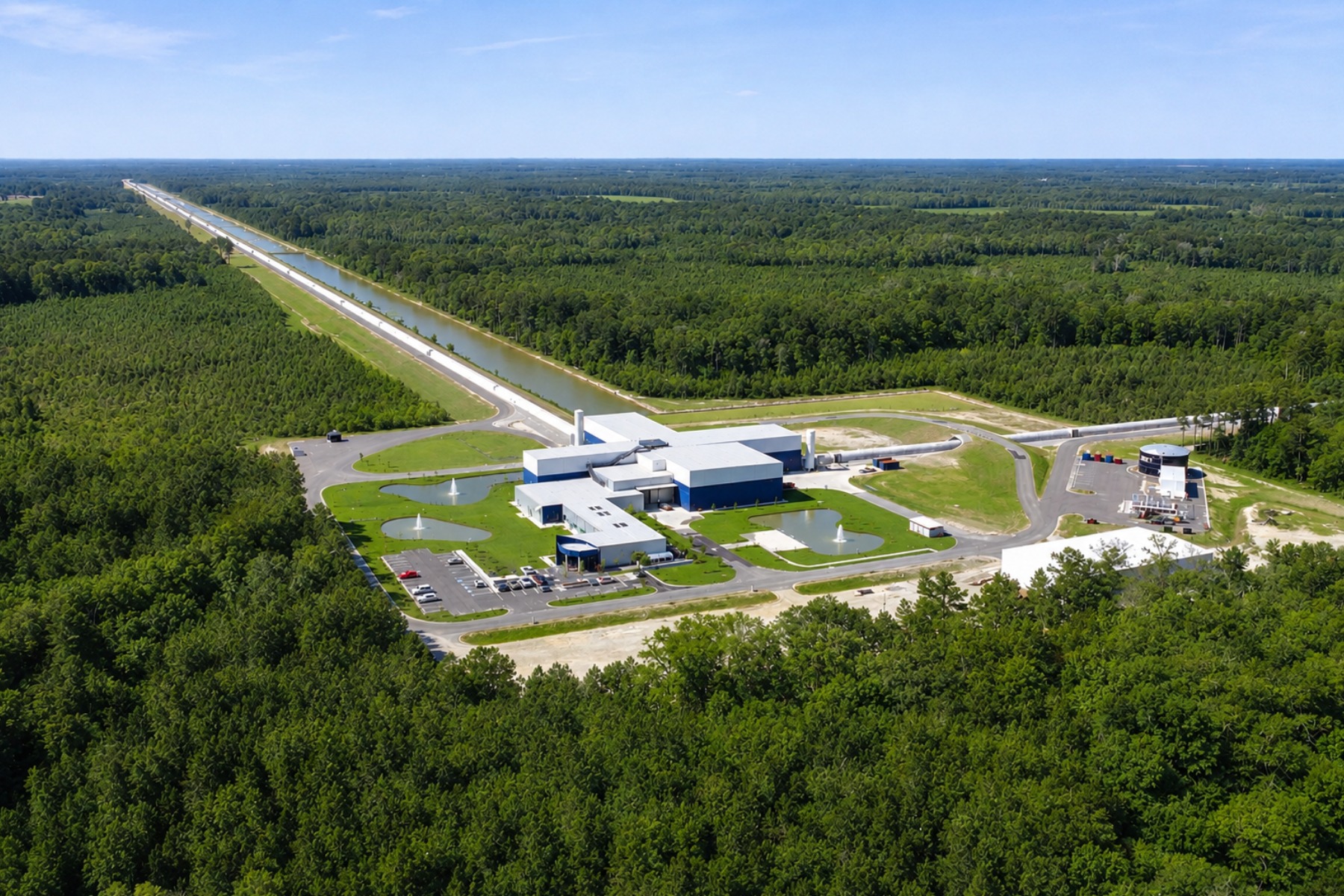
Led by LSU Boyd Professor Gabriela González, a new $4 million, two-year National Science Foundation grant will support the computing infrastructure behind the Laser Interferometer Gravitational-Wave Observatory (LIGO). The collaborative project will improve data analysis, accelerate alerts to astronomers, and maintain the reliable computing systems essential to detecting gravitational waves from colliding black holes, neutron stars, and other cosmic events.
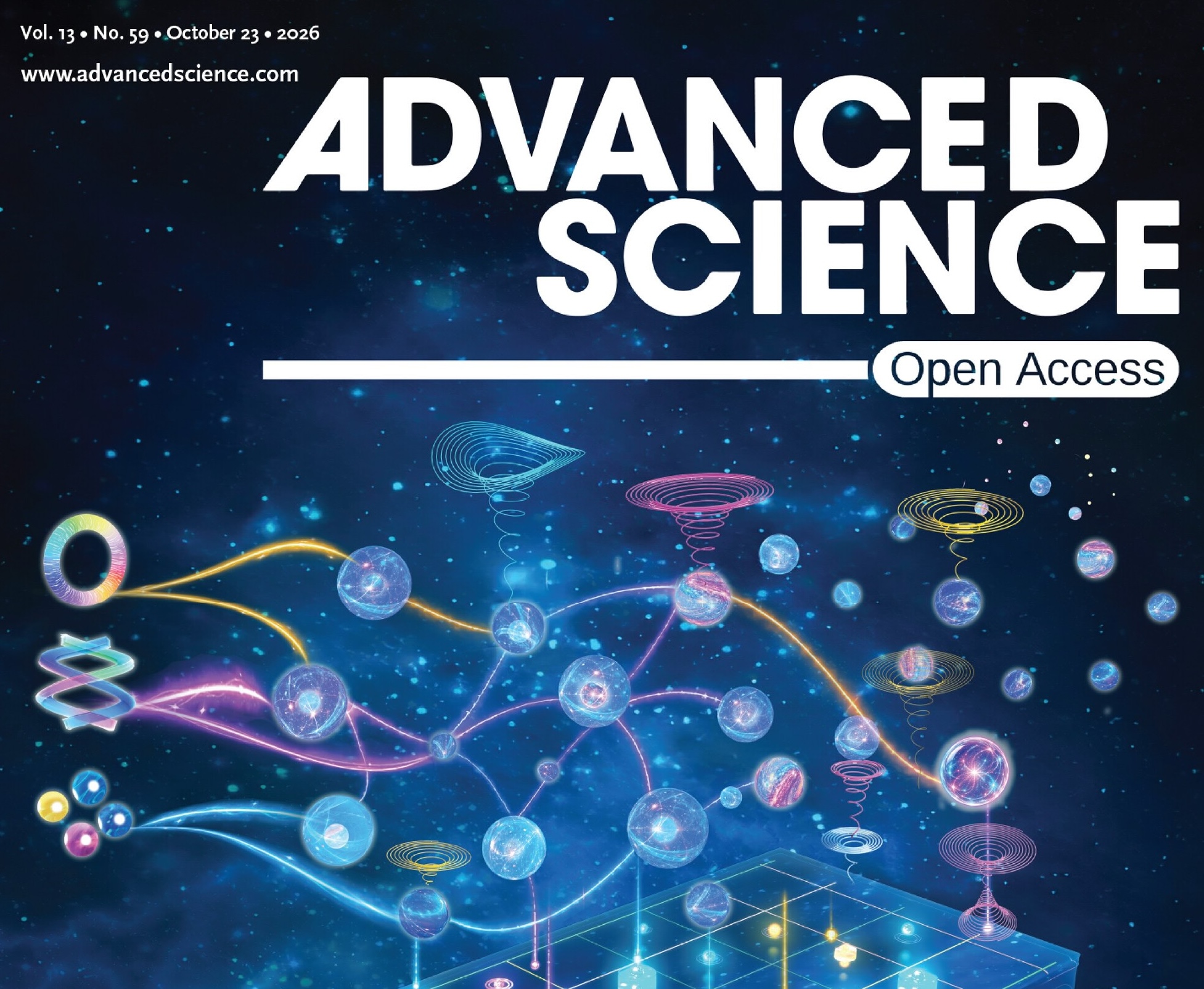
LSU physicists developed a room-temperature multiphoton quantum reservoir that uses classical light and photon-counting measurements to process information, simulate complex quantum dynamics, and learn mathematical functions while remaining robust to noise and loss.